



With so many “must-visit” food destinations online, it’s harder than ever to tell which places truly deliver and which ones are overhyped. There’s also the uncertainty that the craze around Instagram-worthy dishes or viral food spots are just a flash in the pan and you’ll miss out on better spots.
Our guide to the best food destinations worldwide shows you where to eat incredibly well, whether you’re grabbing something from a buzzing street food stall or settling in for a memorable sit-down meal.
We’ll point you to destinations with diverse food scenes and share the dishes worth their calories. Beyond the usual foodie hotspots, you’ll discover underrated gems that reward curious travelers with unforgettable flavors. You’ll also learn how to recognize authentic local spots and avoid overpriced tourist traps.
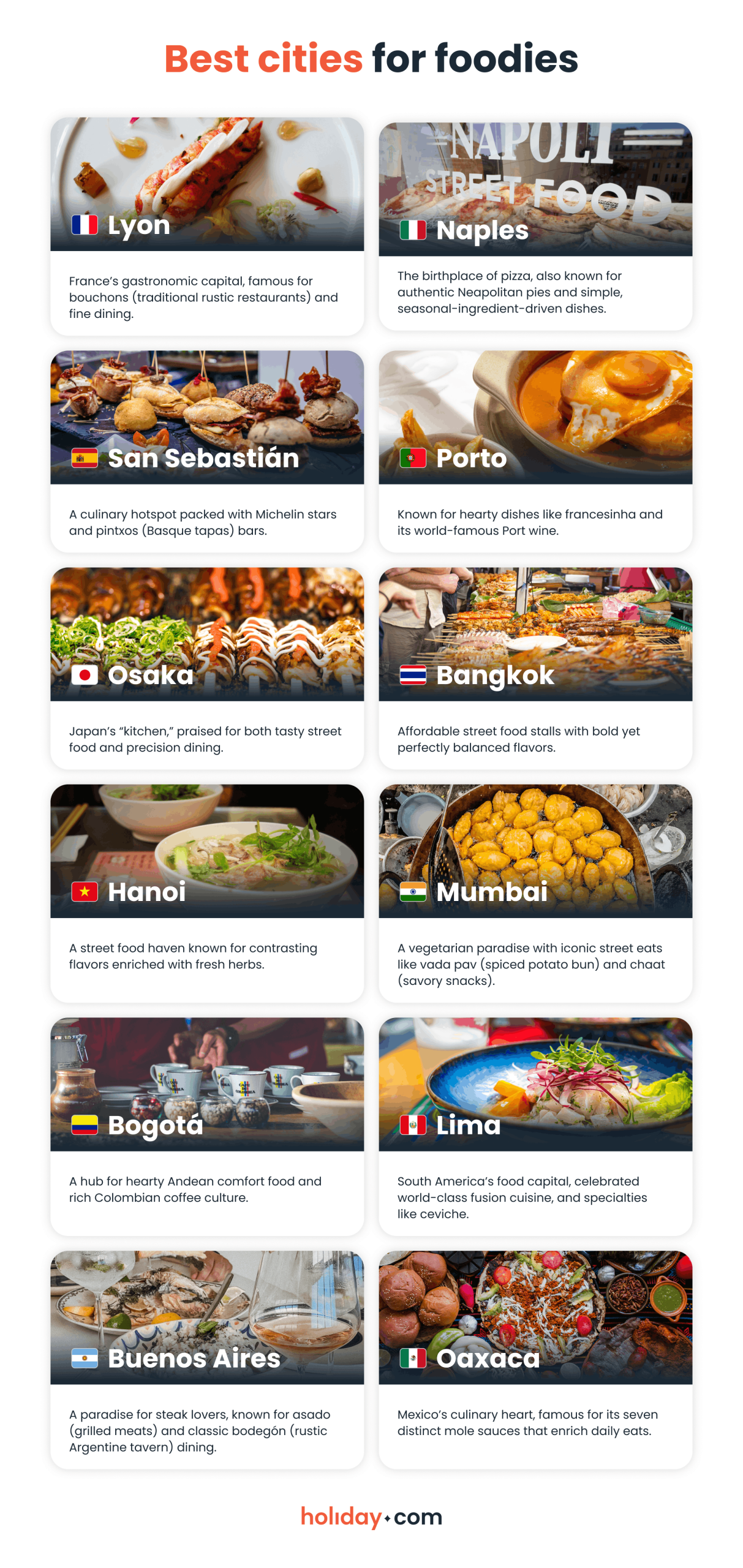
Top foodie destinations at a glance
From street food capitals to fine dining hubs, some cities don’t only serve meals: they tell a story through every bite. Below are the best cities for foodies worldwide, each offering a unique expression of local culture, customs, and flavor.
The best food destinations in Europe
Europe offers one of the most diverse collections of food cultures in the world, where practically every country offers a completely different menu. You’ll find expensive high-end fine dining along with affordable street food and local markets, so you can eat well on any budget.
France: Best for fine dining
Cost: $3-$10 bakery bites, $50-$200+ fine dining
French cuisine spans everything from simple everyday staples like a crispy baguette or flaky croissant to refined, multi-course fine dining experiences. The fact that France’s cuisine has UNESCO recognition is proof of how essential dining is to the French people.
Local boulangeries are one of the most affordable ways to experience French food culture firsthand. On the other end of the spectrum, France leads the world with the most Michelin-starred restaurants (over 600 recognized establishments), setting the global standard for haute cuisine.
Top culinary hotspots in France
- Lyon: Known for its culinary traditions and hearty comfort food, France’s gastronomic capital features local cuisine like quenelle de brochet (fish dumpling), pâté en croûte (meat-filled pastry baked in crust) and slow-cooked dishes. Finish off with the signature tarte aux pralines (pink tart with almonds).
- Provence & Côte d’Azur. This region is a Mediterranean haven. Olive oil, herbs, and fresh vegetables shine in dishes like ratatouille and bouillabaisse (fish stew).
- Southwest (Dordogne/Toulouse). France’s southwest is famous for its bold, rustic cuisine built around duck confit, foie gras, cassoulet, and cured meats.
HOT TIP
Avoid asking for a to-go box in restaurants in France. Locals may interpret it as a sign you didn’t fully appreciate the meal.
Italy: Best for regional diversity
Cost: $5-$10 street food, $30-$80+ fine dining
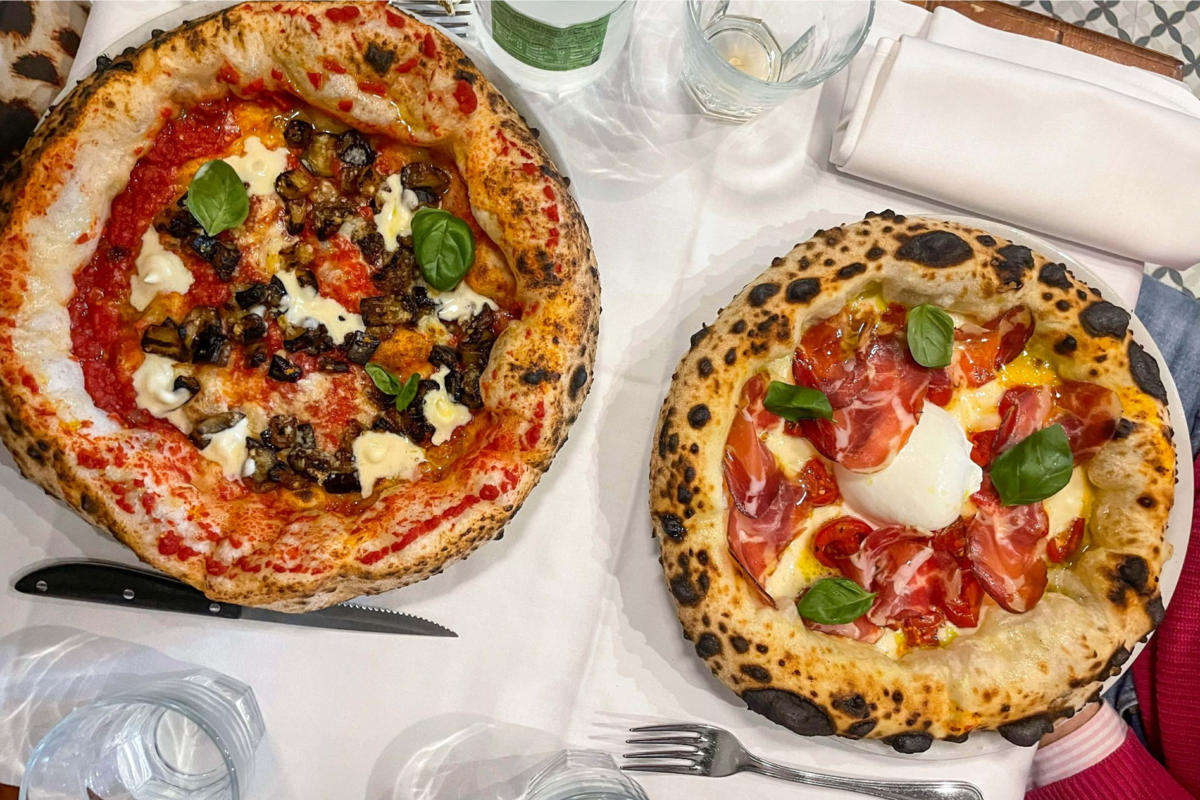
Italy’s 20 regions each showcase distinct, specialized cuisines, from creamy risottos in Milan to Naples’ iconic wood-fired pizzas. The country’s focus on fresh, high-quality ingredients elevates even the simplest recipes to another level.
If you travel to Italy, you’ll see how the country invites you to slow down and enjoy the effortless rhythm of la dolce vita. Speaking of sweet moments, don’t forget to make room for gelato, found on nearly every corner in Italy.
Top culinary hotspots in Italy
- Emilia-Romagna Region (Bologna/Parma). The unofficial food capital of Italy, where Parmigiano Reggiano, Prosciutto di Parma, Mortadella Bologna, and balsamic vinegar from Modena define the table.
- Tuscany (Florence). A rustic yet refined culinary heartland, famous for Bistecca alla Fiorentina (thick T-bone steak), best enjoyed in combination with Chianti or Brunello wines.
- Piedmont (Turin). A northern gourmet hub where luxury meets classic, known for its hazelnuts and rich chocolate flavors.
HOT TIP
Italians are particular about their food. It’s not uncommon for a chef to refuse modification requests. And if you order a cappuccino after noon, expect a few raised eyebrows from locals.
Spain: Best for tapas culture
Cost: $2-$6 tapas, $25-$60 restaurant dining
Tapas culture means you don’t have to commit to one dish. Instead, you build meals out of small bites. In Spain, food is as much about socializing as it is about flavor. Everyone shares plates, and eating can stretch late into the night. It’s completely normal to eat while standing at bars, moving from place to place for another round of tapas.
The many unique cultures within the country’s borders mean you can have a diverse range of culinary experiences depending on what parts of Spain you visit.
Top culinary hotspots in Spain
- Basque Country (San Sebastián/Bilbao). Here, pintxos bars line the streets while Michelin-starred restaurants redefine fine dining. Don’t miss bacalao al pil-pil (cod in garlic sauce), txuleta (thick-cut aged beef), and the iconic creamy Basque cheesecake.
- Catalonia (Barcelona/Girona). The mar i muntanya philosophy shapes local cuisine, reflecting the balance between sea and mountain influences. Sample pa amb tomàquet (tomato bread), grilled onions dipped in romesco sauce, and crema catalana for dessert.
- Andalusia (Seville/Granada). This is the heart of tapas culture, where you can enjoy refreshing gazpacho, salmorejo, crispy fried fish, and pair everything with local sherry wines.
Portugal: Best for seafood
Cost: $8-$25 casual meals, $30-$80+ mid-range or fine dining
Portugal is where the Atlantic takes center stage on your plate. If you love seafood, this is a country that celebrates it in every possible form, from simple grilled fish to slow-cooked stews.
Meals are generous, often built around fresh daily catches. Pork dishes are also popular, especially farther inland. When it’s time for dessert, you’ll notice the iconic custard tarts in almost every bakery.
Top culinary hotspots in Portugal
- Alentejo. This countryside region offers bold, earthy flavors and slow-cooked dishes. Must-try specialties include carne de porco à Alentejana (pork with clams) and açorda (garlic and bread soup).
- Algarve. Portugal’s southern coast is a seafood lover’s dream, with standout dishes like cataplana, a fragrant seafood stew cooked and served in a clam-shaped copper pot.
- Lisbon and surroundings. The capital blends tradition with modern dining, offering everything from refined tasting menus to flavorful street food. Must-try specialties include bacalhau (salted cod) and grilled sardines. If you visit Belém, don’t leave without trying pastéis de nata (custard tarts).
The best food destinations in Asia
Asia is where food becomes an adventure, offering everything from craftsmanship in Japan to buzzing, flavor-packed streets in Thailand. Come hungry because every stop is a new craving waiting to happen.
Japan: Best for precision dining
Cost: $10-$25 casual meals, $30-$150+ formal/fine dining
Japanese cuisine follows the idea of shun, meaning dishes use ingredients at their seasonal peak. Meals often follow “the five rules of cooking,” incorporating five colors (white, yellow, red, green, black) and five techniques (raw, grilled, simmered, steamed, fried), all working together to create harmony on the plate.
HOT TIP
Hungry for a money-saving tip? Japanese convenience stores, known as konbini, offer a great value for breakfast, lunch, and snack items.
Top culinary hotspots in Japan
- Hokkaido. Many revere Japan’s top food region for high-quality dairy products and hearty dishes shaped by its colder climate. Don’t miss specialties like soup curry, jingisukan (grilled lamb), and the Hokkaido ramen available in a few tasty variations.
- Kansai (Osaka and Kyoto). Known as “Japan’s kitchen,” Osaka is famous for takoyaki (octopus balls), okonomiyaki (savory pancakes), and kushikatsu (deep-fried meat, vegetable, and seafood skewers). Kyoto is the heart of customary dining, where tofu dishes like yudofu and matcha desserts define the experience.
- Kyushu (Fukuoka). Try Fukuoka’s “soul food,” Hakata ramen, known for its rich, creamy pork bone broth and thin, firm noodles. You can also explore the 100+ yatai street stalls serving local specialties late into the night.
Vietnam: Best for contrasting flavors
Cost: $2-$6 street food, $10-$30 restaurant dining
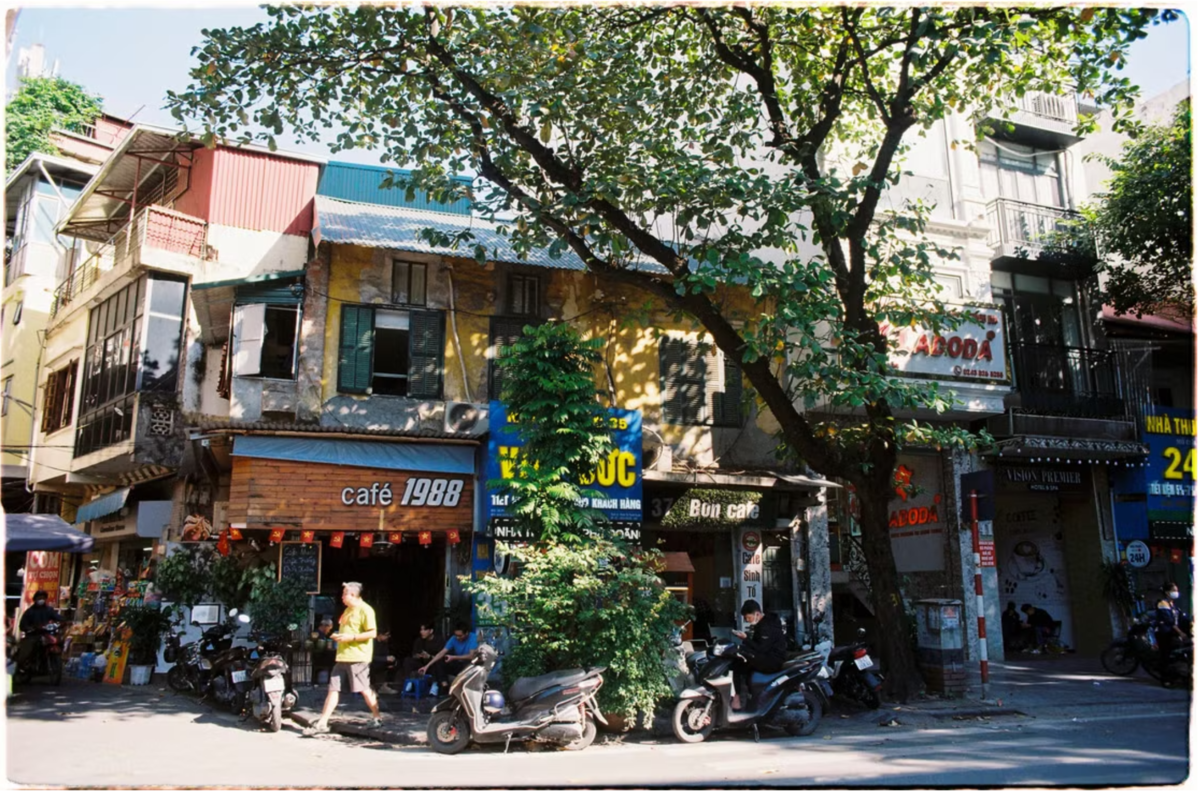
Vietnamese food is all about freshness and balance between contrasting flavors. Meals often combine sweet, savory, sour, and spicy elements, making every bite layered but never overwhelming. You’ll spend most of your time eating on small stools right where the action is, especially in street food-heavy cities like Ho Chi Minh City, Hanoi, and Hoi An.
Top cuisine hotspots in Vietnam
- Central (Hue and Hoi An). This region has bold, complex flavors influenced by imperial cuisine. Noodle lovers should try bún bò Huế (spicy beef noodle soup) and cao lầu (thick noodles with pork). Also, leave room for the savory rice cakes, known as bánh bèo.
- Northern (Hanoi). Cuisine in the north of Vietnam focuses on balance and subtlety. Popular dishes include phở (clear noodle soup with meat), bún chả (grilled pork), and chả giò (crispy fried spring rolls).
- Southern (Ho Chi Minh City and Mekong Delta). Vietnam’s southernmost regions offer up sweet-and-savory flavor combinations, with top specialties including cơm tấm (broken rice with grilled pork chop) and lẩu mắm (fermented fish hotpot).
India: Best for vegetarians and spice lovers
Cost: $2-$10 street food, $10-$40 restaurant dining
If your idea of “tasty” means sampling varied bites across street food stalls and open-air markets, India is your ultimate foodie destination. Geography and belief systems influence the cuisine, with a strong emphasis on vegetarianism in some regions. India also relies on spices to build layers of heat and aromatics for immense depth of flavor.
Top culinary hotspots in India
- South India (Kerala/Tamil Nadu). Along with a generous use of spices, Southern Indian cuisine focuses on staples like rice, lentils, coconut, and tamarind. Bold, tangy flavors characterize these dishes, often enhanced through fermentation and usually served on banana leaves.
- North India (Punjab/Delhi). The northern regions of India have rich flavors and complex aromas. The signature cooking style relies on tandoors (clay ovens), which give dishes a smoky, grilled flavor.
- West Bengal (Kolkata). West Bengal stands out for its structured, multi-course meal, typically starting with a bitter dish to cleanse the palate and finishing with a sweet chutney or dessert.
Thailand: Best for delicious street food on a budget
Cost: $1-$5 street food, $10-$25 restaurant dining
Thailand is the place to go if you want to eat well without breaking the bank. The cuisine relies on a balancing act between sweet, sour, salty, and spicy, so expect bold flavors in every bite. Street food is the backbone of daily life and is a must-do if you visit Thailand. Vendors often specialize in one dish they’ve mastered over the years, with spots like Jay Fai in Bangkok even earning a Michelin star for their legendary crab omelet.
Top culinary hotspots in Thailand
- Central (Bangkok/Ayutthaya). The heart of Thai cuisine is where rich river seafood and bold, aromatic flavors define the food scene. Must-tries include grilled prawns and kuay tiew ruea (noodles served in a rich, savory broth).
- Northern (Chiang Mai). Here, you’ll find milder and herb-forward flavors with dishes like khao soi (coconut curry noodle soup topped with crispy noodles) and sai oua (spicy grilled pork sausage).
- Northeastern (Isaan). This cuisine is bold, spicy, and sour, featuring som tum (papaya salad), larb (minced meat salad), and grilled meats served with sticky rice.
The best food destinations in South America
One universal truth about South American countries is that food is deeply social. Meals are slow, generous, and built for sharing. The food scene combines Indigenous dishes and Spanish colonial influences with modern approaches to fine dining.
Colombia: Best for hearty comfort food and coffee culture
Cost: $1-$4 per coffee, $3-$7 street food, $10-$25 restaurant dining
Colombian cuisine relies on staples like corn, rice, beans, potatoes, and plantains. With Indigenous, Spanish, and African influences, you’ll find significant regional variation. Dishes range from comfort food designed to provide energy in cooler temperatures to Caribbean coastal cooking centered on fresh seafood.
Colombia is also world-famous for its coffee culture, so your “quick coffee stop” might turn into a highlight of your trip, especially when you’re sipping it fresh near the source.
Top culinary hotspots to visit in Colombia
- Bogotá. The capital’s food scene ranges from ajiaco (chicken and potato soup) and tamales (steamed corn dough filled with meat) to modern dining in Zona G and historic eateries in La Candelaria.
- Tolima. The region’s specialty is lechona (whole slow-roasted pig stuffed with rice and peas). Tamales wrapped in plantain leaves are also popular.
- Medellín and Antioquia. Influenced by agricultural heritage, this region is famous for dishes like bandeja paisa (a large platter with beans, rice, avocado, egg, plantain, and meats), which will keep you fueled for city strolls, hikes, and salsa sessions with the locals.
Peru: Best fusion cuisine
Cost: $5-$15 casual meals, $30-$100+ fine dining
Peru is one of the world’s most exciting culinary destinations, where indigenous ingredients meet Spanish, African, Chinese, Japanese, and Italian influences. The result is a cuisine full of contrasts. From delicious street bites to exquisite fine dining menus, there’s something for every taste in Peru.
Top culinary hotspots in Peru
- Lima. With its standout fusion cuisines, the gastronomic capital of South America features culinary twists from Japan (Nikkei cuisine) and China (Chifa cuisine).
- Arequipa. This UNESCO Creative City of Gastronomy offers a huge selection of local dishes characterized by bold and spicy flavors.
- Northern Coast (Piura, Tumbes, Trujillo). Coastal cuisine in the north features fresh seafood from the warm Pacific waters and heavy use of cilantro, ají peppers, and fermented corn beer.
Argentina: Best for carnivores and wine lovers
Cost: $10-$25 casual meals, $40-$150+ steakhouse dining
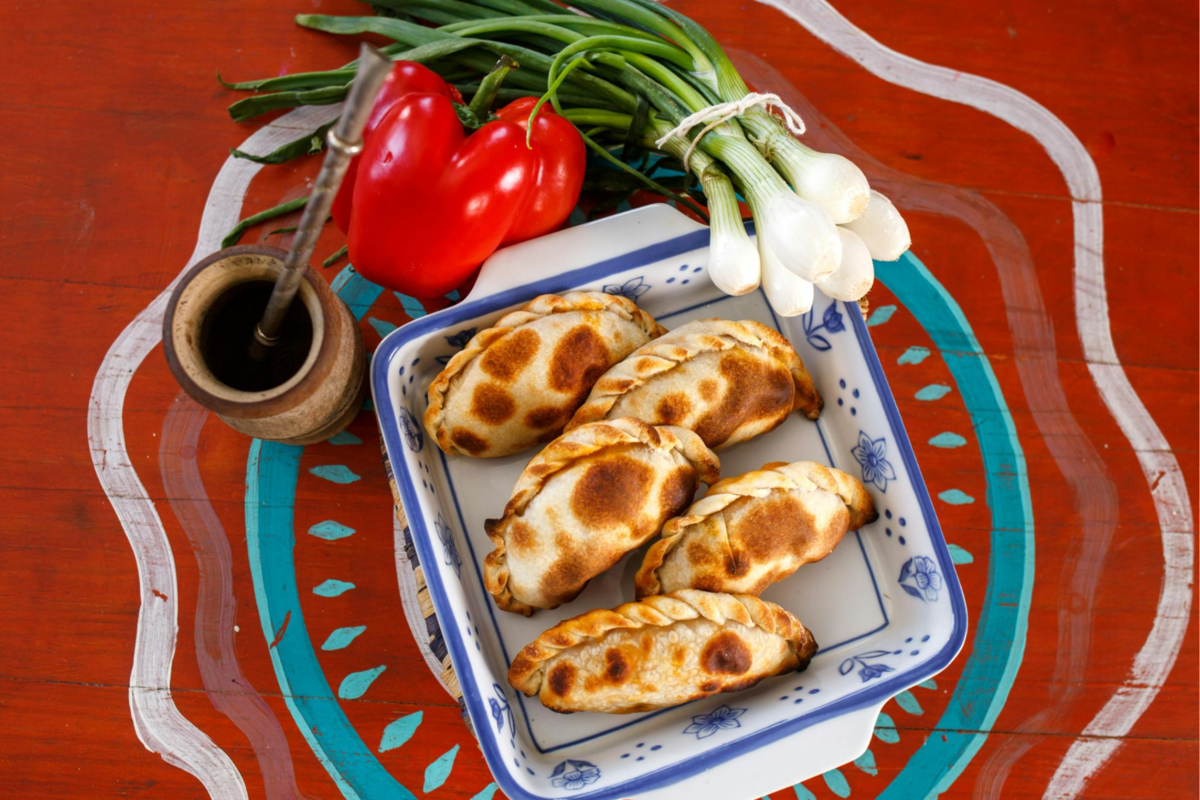
Argentine cuisine is a rich blend of Mediterranean influences, mainly Italian and Spanish, combined with strong local traditions. Dishes center around high-quality, grass-fed beef, with the ritual of asado (barbecue) at its core. Grilling is often an all-day social event. You’ll find everything from grilled meats and savory empanadas to Italian-inspired pasta and desserts like dulce de leche, all paired with a glass of local wine.
The top culinary hotspots in Argentina
- Buenos Aires. Porteño cuisine revolves around simple, hearty meals designed for sharing. A key part is the bodegón (a neighborhood cantina), where you’ll find generous, affordable portions of comforting classics like milanesa and slow-cooked stews.
- Mendoza and Cuyo Region. Argentina’s wine heartland is famous for Malbec (bold red wine grown at high altitude) and vineyard dining with fire-grilled meats.
- Patagonia. Visit Patagonia for rustic alpine flavors like cordero al palo (spit-roast lamb), smoked trout, wild boar, artisan chocolate, and craft beer from Bariloche.
HOT TIP
Book an estancia (ranch) visit for authentic asado. With a holiday.com eSIM, you can get unlimited mobile data across the country to look up local reviews and find hidden gems along your culinary travels.
Mexico: Best for bold flavors and rich culinary traditions
Cost: $2-$6 street food, $10-$40 restaurants
Mexican cuisine is a UNESCO-recognized cultural heritage that blends Indigenous Aztec and Maya heritage with Spanish colonial influences. Even if you’ve tried Mexican food before, the sheer variety of dishes in the country might amaze you.
Essentials include corn, beans, chilies, and fresh herbs, especially cilantro. Corn tortillas, made through nixtamalization (an ancient process of treating corn with lime), sit at the heart of everyday meals. Mexican food is often associated with heat, but its true character lies in a range of flavors, from smoky, sweet, and earthy to bright and fresh.
Top culinary hotspots in Mexico
- Southern Mexico (Oaxaca). Some call this region the “Land of the Seven Moles,” referring to its distinct sauces, with mole negro (rich, chocolate-chili sauce) being the most famous one. The region takes pride in ancient cooking techniques and earthy flavors.
- Yucatán Peninsula. Quite different from mainstream Mexican food, this Mayan-influenced cuisine often relies on slow-cooking techniques, earthy spices like achiote, and sour citrus marinades. The region’s most iconic dish is cochinita pibil (pork marinated in citrus and spices, wrapped in banana leaves).
- Central Mexico (Mexico City, Puebla). Here, you’ll find a blend of Aztec and Spanish cuisine. Corn is a daily staple in the form of tortillas, tamales, and even in drinks like atole. There’s a variety of intricate salsas to complement every dish.
Underrated foodie destinations to try next
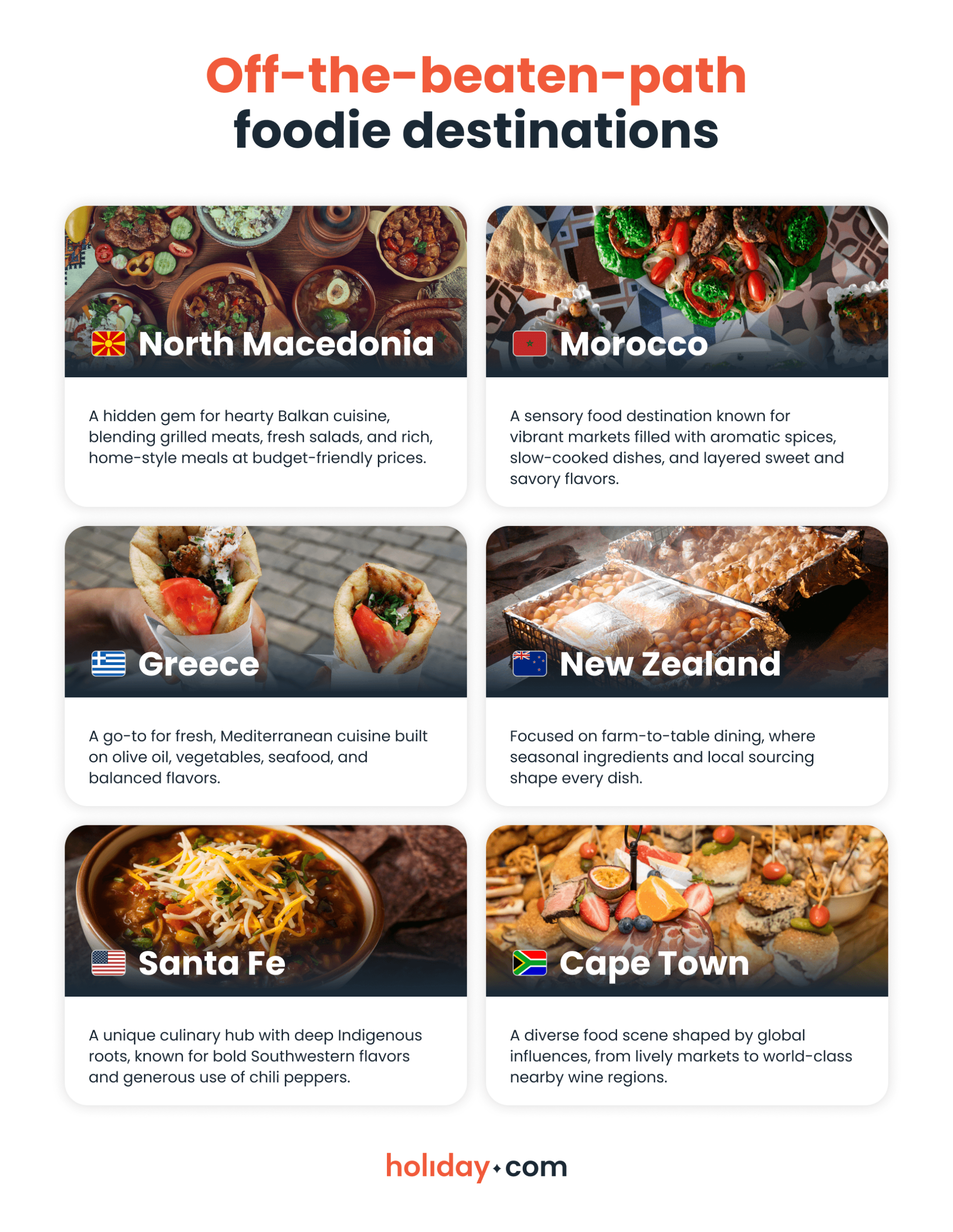
Looking beyond the usual food capitals? These underrated foodie destinations serve up memorable meals, often without the crowds and hefty prices.
How to recognize tourist traps vs. authentic local food
Asking locals for recommendations is always your best bet. If that’s not an option, here’s how you can spot the real deal:
- Small, local menus. Smaller menus, often handwritten or only in the local language, usually mean dishes use seasonal ingredients. If you want the best local food, avoid places with huge laminated menus, photo-heavy pages, or long lists of generic international dishes like pizza or burgers.
- Local clientele. Restaurants filled with locals or families are strong indicators of quality. If you mostly see tourists, it’s worth reconsidering your choice of venue.
- Off-the-beaten-path locations. The best local spots are often a few streets away from main squares or landmark entrances, not right next to major attractions.
The best food destinations worldwide await
There are plenty of foodie destinations out there and it all comes down to what your taste buds are craving. Europe is your go-to for rich and savory dishes that feel like a warm hug on a plate. Asia brings the fun if you’re into bold flavor mixes like sweet, sour, salty, and spicy all in one bite, while South America turns up the heat for those who like their food with a fiery kick.
No matter where you go, the best meals always come from understanding local food culture and knowing how to steer clear of tourist traps. If you want to engage with authentic cuisines, set yourself up for success with the right research and tools. A reliable travel eSIM like holiday.com will let you find hidden gems and use translation apps without worrying about connectivity or expansive data roaming fees.
FAQ
-
Which country is the best for food lovers?

There’s no single winner, but Italy, Japan, and Thailand are consistently ranked among the best travel destinations for food lovers thanks to strong regional customs and iconic dishes. Italy stands out for its regional variety, Japan for its refined presentation, and Thailand is a true street-food paradise.
-
What are the best food cities in the world according to Michelin?
Tokyo leads the world with the highest number of Michelin-starred restaurants, making Japan a global standout for top-tier dining. Alongside Tokyo, Kyoto and Osaka are also packed with Michelin-recognized spots, known for their precision and depth of flavor.
-
What are the best street food destinations in the world?
Many consider Bangkok as the world’s top street food hub, where even humble stalls have earned Michelin recognition. Countries like Vietnam, Mexico, and India also stand out for their vibrant street food scenes, offering fresh, flavorful dishes made to order in bustling markets and roadside stalls.
-
What are some underrated foodie destinations worth visiting?
North Macedonia, Greece, and Morocco are not always considered classic foodie destinations, but they offer rich, flavor-packed cuisines rooted in tradition. The first two are neighboring countries, so you could plan a trip that combines both for a delicious mix of Balkan and Mediterranean flavors in one journey.
About our author

You might also be interested in...
-
 Travel
8 best all-inclusive destinations for 2026: From budget to luxury
Planning an all-inclusive trip sounds simple until every destination starts to blur together. While one place might promise pristine beaches, another might highlight budget-friendly rates or family pe...
 Chené Murphy
 07.09.2026
 -
 Travel
23 best bachelorette party destinations for every vibe
Planning a bachelorette party sounds fun until the reality of clashing budgets and conflicting schedules sets in. What starts as excitement can quickly turn into stress. The stakes rise when you reali...
Ivana Shteriova
07.08.2026 -
 Travel
Best solo travel destinations for every travel style
Traveling alone is an exciting prospect that becomes daunting when you weigh important factors like affordability, safety, convenience, and your level of social comfort. If you’re planning a solo ex...
Chené Murphy
06.30.2026 -
 Travel
15+ best vacation spots for couples (romantic & unique getaways)
Planning a romantic getaway should be fun, but comparing endless lists to find the perfect trip can make it a chore. What starts as an exciting idea becomes bogged down with too many choices and not e...
Sarah Kirton
06.25.2026 -
 Travel
International travel packing list: Never forget a thing
There are always two types of people: some love packing for an international trip and have a whole system worked out. Others might feel anxious about the packing process and dread pulling out their su...
Ivana Shteriova
06.24.2026 -
 Travel
The essential international travel checklist for 2026
Juggling pre-trip logistics like travel documents, banking, and security can make planning a trip feel like a full-time job. Even the most exciting journey can turn stressful when important details sl...
Sarah Kirton
06.03.2026