


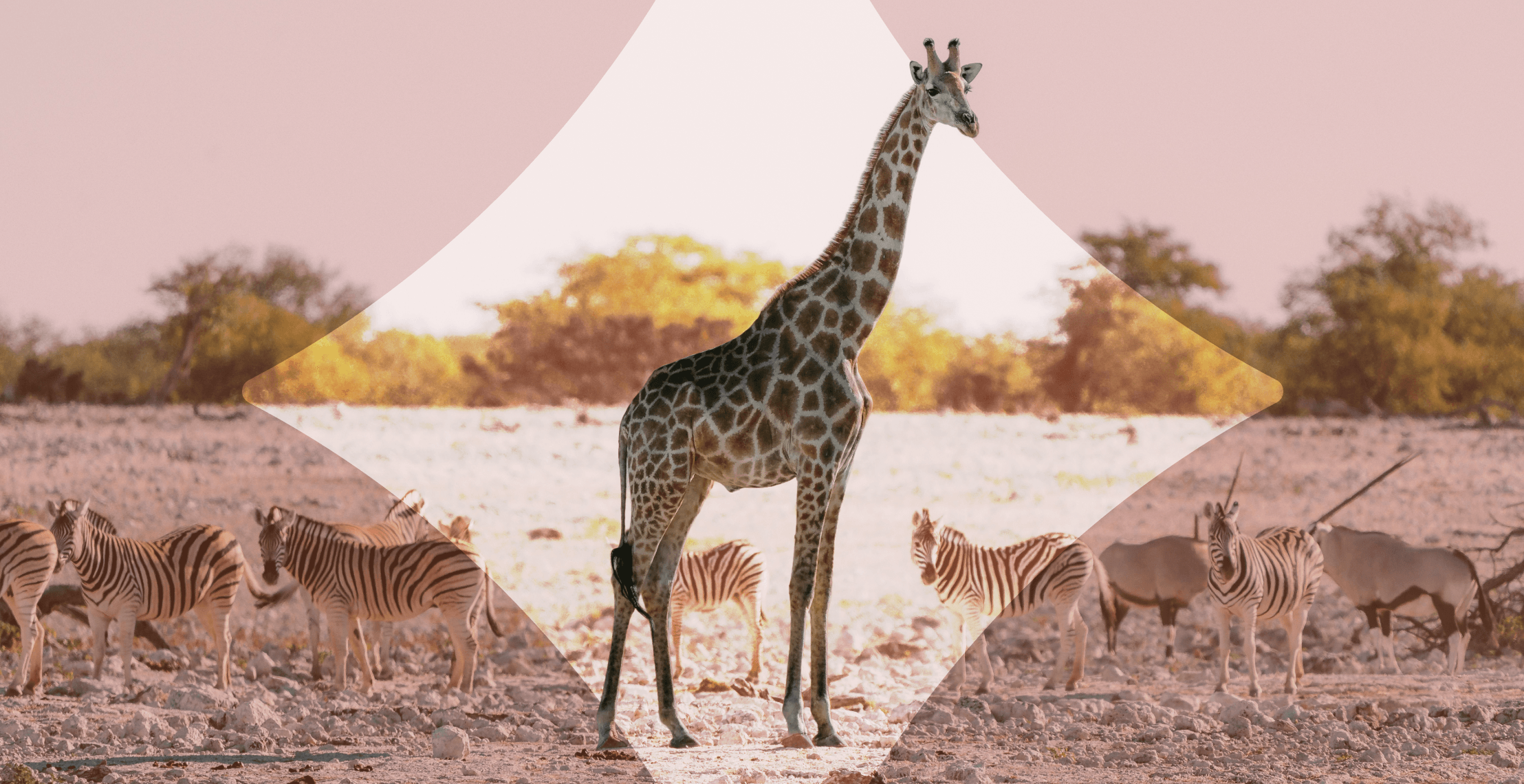
Planning a safari is a major investment, but with so many iconic parks across the continent, choosing the right destination can be challenging. The truth is that not every safari delivers the same experience. Pick the wrong spot, and your trip might feel overly commercial or crowded rather than the wilderness adventure you imagined.
Whether you want to witness the Great Migration, catch a glimpse of the Big Five (lion, leopard, elephant, rhinoceros, and African buffalo), or explore desert landscapes in a 4x4, planning your trip comes down to matching your travel style with the right region.
Learn about Africa’s top wildlife spots so you can choose the best destination based on your preferences and expectations. We’ll highlight the best season to visit and provide practical tips to help you prepare for your first safari.
Africa’s top safari spots
Here’s a closer look at Africa’s most popular safari destinations and the experiences that set them apart.
Kenya: Maasai Mara and migration highlights
- Signature wildlife: Big Five, wildebeest, zebra, cheetah
- Top parks and areas: Maasai Mara, Amboseli, Tsavo East & West
- Budget range: Budget to luxury
- Safari style: Guided game drives, hot air balloon safaris, cultural visits, private conservancies
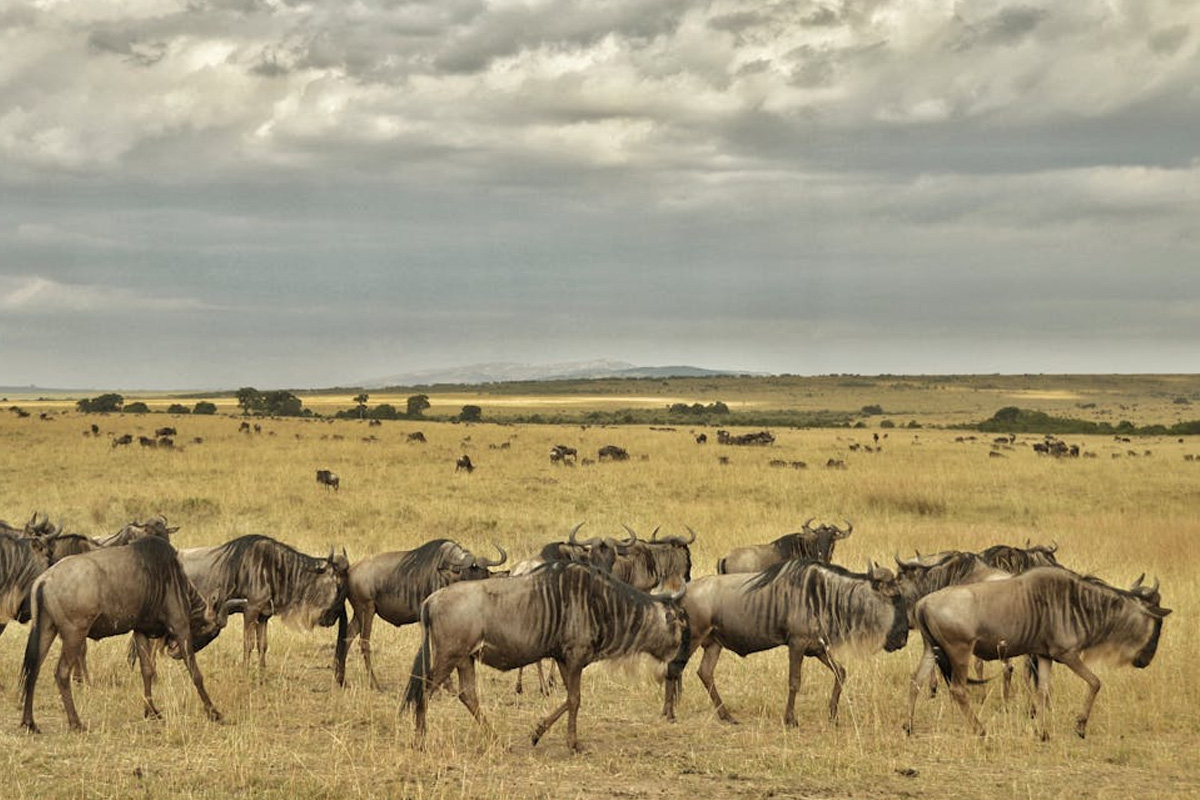
Kenya offers one of the best all-round safari destinations. The Maasai Mara delivers reliable Big Five sightings and hosts the Great Migration river crossings, where thousands of wildebeest and zebra move through crocodile-filled waters. It’s one of the most dramatic wildlife spectacles on the planet, taking place from June to October.
What makes Kenya special is its mix of accessibility and diversity. You can combine classic game drives with hot air balloon safaris and private conservancies that offer fewer crowds and more flexible game viewing. It’s a strong choice if you want iconic wildlife with well-developed infrastructure.
HOT TIP
The best time to go on a safari in Sub-Saharan Africa is during the dry season (May to October), when animals concentrate and activity is high. The wet season (November to April) is quieter but cheaper, and the green landscape offers unique photography opportunities.
Tanzania: Serengeti, Ngorongoro, and Big Five encounters
- Signature wildlife: Big Five, wildebeest, zebra, elephants
- Top parks and areas: Serengeti, Ngorongoro Crater, Tarangire, Selous
- Budget range: Mid-range to luxury (mostly guided safaris)
- Safari style: Guided game drives, hot air balloon safaris, walking safaris
Sitting near the base of Mount Kilimanjaro, northern Tanzania is home to some of Africa’s most iconic safari destinations. The Serengeti offers vast plains supporting one of the largest concentrations of wildlife in Africa.
The Ngorongoro Crater concentrates animals in a natural enclosure, making it one of the best places to see the Big Five if you’re short on time. Tanzania suits travelers who want a less commercial safari experience with dramatic landscapes.
HOT TIP
Cheetahs are elusive and one of the hardest animals to spot. Look for them on open plains and around termite mounds, as they tend to use these elevated spots to scan for prey.
South Africa: Kruger and private game reserves
- Signature wildlife: Big Five, antelope species, cheetah
- Top parks and areas: Kruger National Park, Sabi Sand, Addo Elephant Park
- Budget range: Budget to luxury (self-drive and guided options available)
- Safari style: Guided game drives, self-drive, walking safaris in private reserves, night safaris
For first-time safari-goers, few places rival the flexibility and variety of Kruger National Park and its nearby private reserves, like Sabi Sands and Manyeleti. You can self-drive, join guided safaris, or explore on foot or horseback.
These private reserves offer off-road access and more exclusive wildlife encounters, along with bush dining under the stars. With world-class lodges and excellent facilities, this region appeals to newcomers and seasoned safari-goers alike.
Botswana: Okavango Delta and luxury wilderness
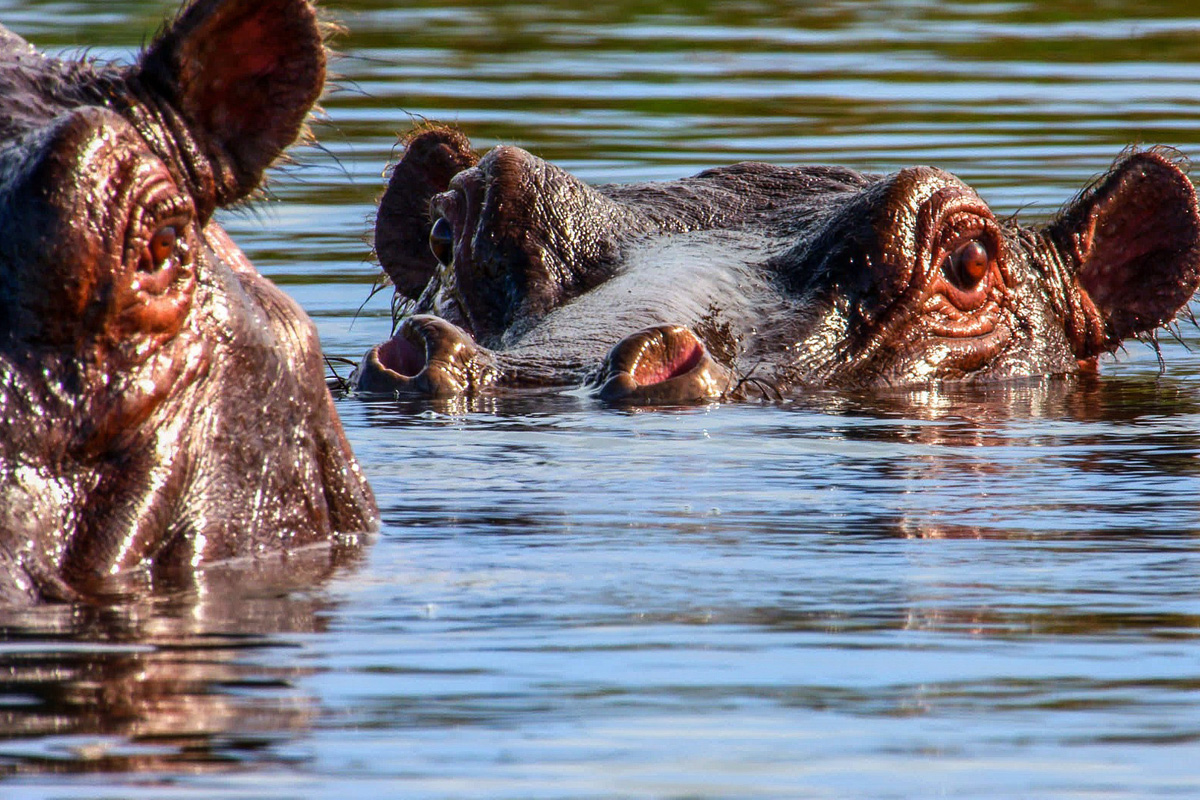
- Signature wildlife: Elephant, lion, hippo, antelope, wild dog
- Top parks and areas: Okavango Delta, Chobe, Moremi, Makgadikgadi Pans
- Budget range: Mid-range to luxury (high-value, low-volume tourism)
- Safari style: Guided game drives, mokoro canoe, walking safaris, luxury lodges
It’s the place to be if your goal is to experience wildlife in an untouched wilderness. In the Okavango Delta, the landscape transforms into a lush inland wetland, letting you explore by boat or mokoro canoe.
Botswana follows a low-volume, high-value tourism model, so you’ll see fewer vehicles and enjoy more space. It’s perfect for those seeking privacy and a deeper connection to nature rather than ticking off a checklist of animals.
Namibia: Etosha and desert-adapted wildlife
- Signature wildlife: Desert-adapted elephants, lions, oryx, springbok
- Top parks and areas: Etosha National Park, Namib Desert, Sossusvlei
- Budget range: Budget to luxury
- Safari style: Self-drive safaris, guided game drives, photogenic landscapes
Namibia stands out for its otherworldly landscapes. From the white salt pans of Etosha to towering red dunes, it offers some of the most photogenic scenery in Africa. The animals here have adapted to harsh desert conditions, offering wildlife viewing unlike anywhere else.
It’s also one of the best countries for self-drive safaris. Roads are well-maintained and you can explore at your own pace. If you value scenery as much as animal encounters, Namibia delivers a very different kind of safari experience.
Zambia: Walking safaris in South Luangwa
- Signature wildlife: Elephant, hippo, antelope, lion
- Top parks and areas: South Luangwa, Lower Zambezi, Kafue
- Budget range: Mid-range to luxury
- Safari style: Walking safaris, guided game drives, small-group immersive experiences
Zambia is the birthplace of the walking safari and remains one of the best places to explore the bush on foot. In South Luangwa, expert guides lead small groups through wildlife areas, giving you a completely different perspective from vehicle-based safaris.
It’s less crowded than many other destinations, which makes it feel more raw and enveloping. Zambia suits travelers who want adventure, with a focus on tracking and being fully present in the environment.
Zimbabwe: Hwange and Mana Pools
- Signature wildlife: Elephant, buffalo, hippo, predator species
- Top parks & areas: Hwange, Mana Pools, Matobo Hills
- Budget range: Mid-range to luxury
- Safari style: Guided game drives, walking safaris, canoe safaris, horseback safaris
Zimbabwe offers a balance of excellent wildlife viewing and a more secluded safari experience. Hwange National Park is famous for its large elephant herds, while Mana Pools provides an intimate connection with nature along the Zambezi River. You can try fishing or even a guided swim in the middle of the river. Crocodiles tend to stay near the shallow banks, so with an expert guide, the deeper sections are safe for a quick dip.
What truly sets Mana Pools apart is how you explore. Whether it’s on foot, by canoe, or on horseback, you’ll have close, natural encounters with wildlife. It’s perfect for those seeking a hands-on safari adventure.
HOT TIP
I once went on a horseback safari in Zimbabwe and it amazed me how close we could get to the giraffes, zebras, and buffalo. Because horses are quiet and familiar to wildlife, animals don’t see riders as a threat and continue going about their business.
Uganda and Rwanda: Gorilla trekking meets traditional safari
- Signature wildlife: Mountain gorillas, golden monkeys, forest antelope
- Top parks and areas: Bwindi Impenetrable Forest, Volcanoes National Park, Mgahinga Gorilla Park
- Budget range: Mid-range to luxury (mostly lodge-based)
- Safari style: Gorilla trekking, guided forest walks, eco-lodges, cultural experiences
Gorilla trekking is the ultimate intimate wildlife encounter, and it’s carefully managed. Officials limit trekking permits and groups stay small, giving you uninterrupted time in the misty forests with these gentle giants.
Most lodges near the parks are boutique or luxury camps, designed to blend with the environment while offering comfort and personalized service. It’s a high-end adventure where every detail (including expert guides and eco-conscious accommodation) elevates your trek into a premier, once-in-a-lifetime experience.
HOT TIP
There are only around 1,000 mountain gorillas left in the wild. Although permits can be costly (around $600-$1,500 per person), every visit supports their conservation and helps protect their future.
What’s the best time to go on a safari?
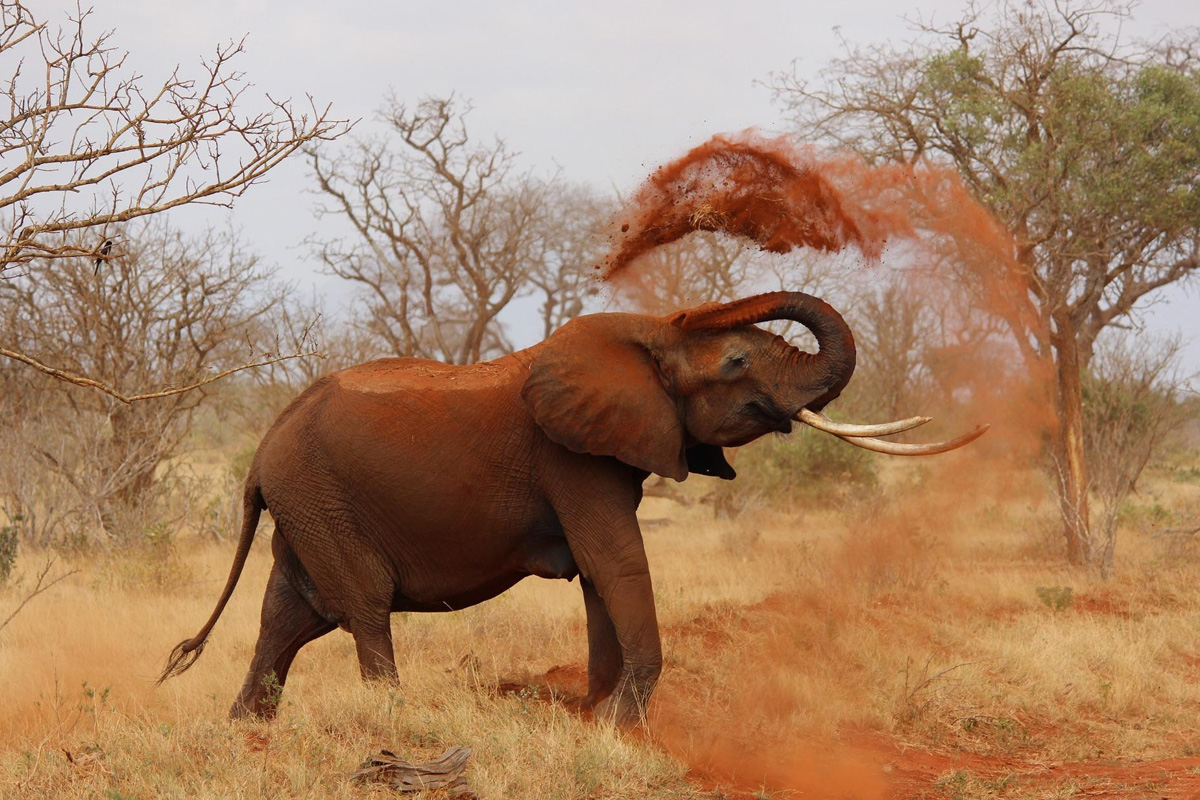
The best time to go on a safari is usually from May to October. During these dry months, wildlife spotting is easier and conditions are more predictable. Animals gather around water sources, vegetation thins, and photography is easier with clear skies. Prices, however, are higher during this peak season and popular lodges can book up fast.
The wet season, from November to April, offers lush landscapes, newborn wildlife, and spectacular bird migrations. It becomes a vibrant, water-filled safari. Lodges and camps often offer lower rates, and the bush is quieter with fewer visitors, giving you a more intimate, off-the-beaten-path adventure.
Migration and breeding peaks
Although the wet season generally coincides with calving, the timing shifts with rainfall.
Wildebeest and zebra move in a loop between the Serengeti and Maasai Mara. In Tanzania, the southern Serengeti and Ndutu regions see the massive calving season from January to March, while the herds gradually move northward. During the wet season, many antelope and zebra also give birth in South Africa’s Kruger National Park.
By July to October, the migration reaches the northern Serengeti and the Maasai Mara in Kenya, where you can witness dramatic river crossings and large concentrations of predators.
How do you plan your first safari?
Start by booking your flights early, particularly if you’re heading to remote areas or planning to visit more than one destination. Internal flights can save you long travel days, and arranging airport transfers in advance makes arriving at your lodge much smoother.
When it comes to accommodation, it’s worth looking beyond just comfort. Staying inside a national park can mean better access to wildlife, while nearby lodges can make logistics a bit easier. It’s also a good idea to double-check what’s included. Guided game drives, meals, park fees, and transfers can make a big difference to both your experience and your budget.
Finally, choose operators that follow responsible practices. Poaching remains a major threat in Africa. Each year, at least 20,000 elephants are illegally killed for their ivory, and hundreds of rhinos continue to be poached for their horns. Booking with lodges that support anti-poaching initiatives and respect wildlife viewing guidelines ensures your money protects the ecosystems you’ve come to experience.
Practical tips for novice safari-goers
Smart preparation can make all the difference. Here’s what you need to know.
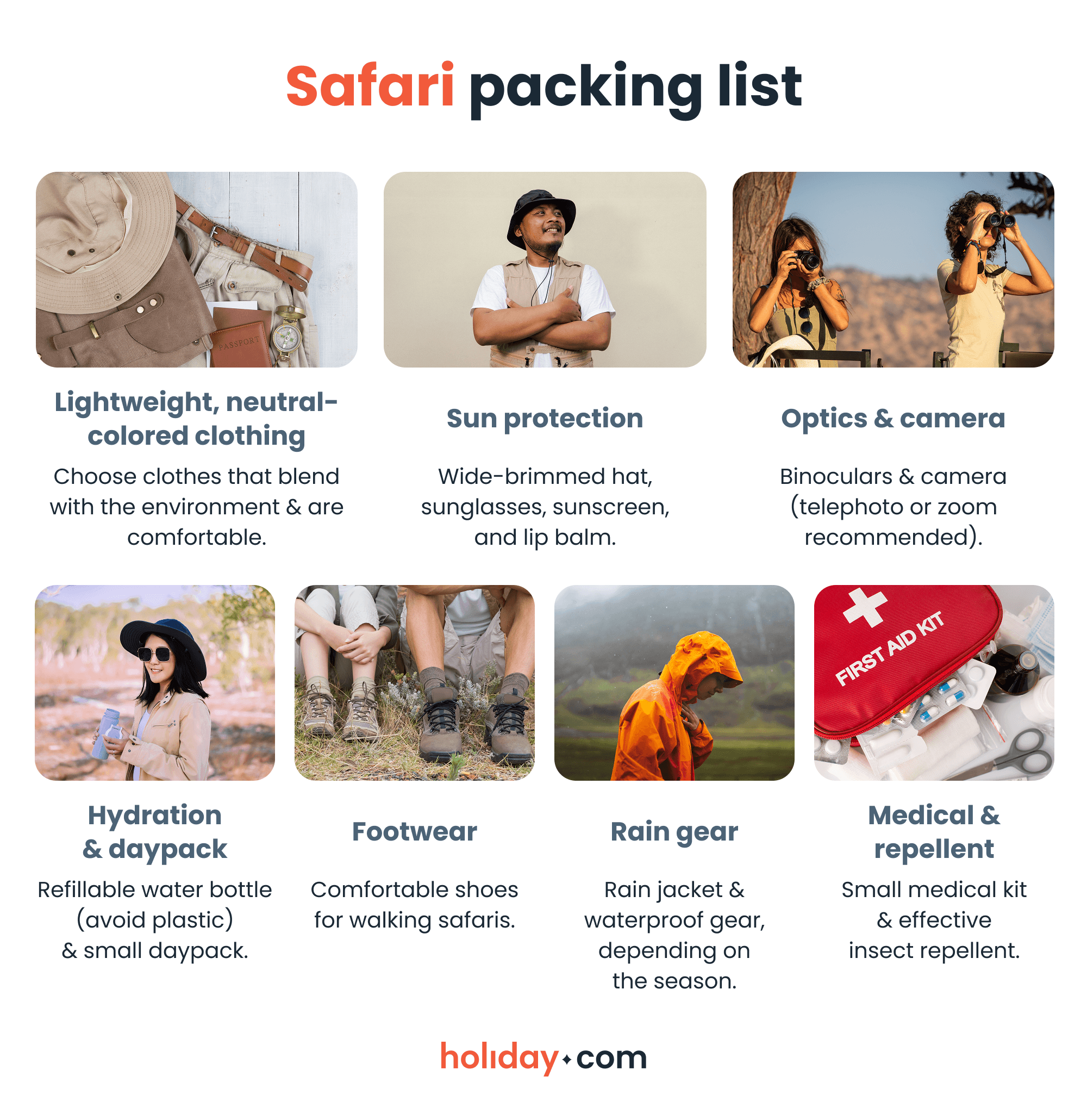
Packing essentials and gear
Make sure you’re properly dressed and haven’t forgotten key equipment.
Safety and health considerations
Here are some tips to keep in mind:
- Always follow your guide’s instructions. Wildlife is unpredictable.
- Stay inside vehicles unless on guided walks.
- Drink plenty of water and protect yourself from the sun.
- Check vaccinations and travel insurance before you go.
- Take precautions against mosquitoes and other insects, and check whether your destination is in a high-risk area for malaria.
- Carry a copy of your emergency contacts and park permits in a secure, accessible place.
Photography and wildlife spotting tips
Follow our recommendations to capture the best photos:
- Early mornings and late afternoons offer the best light for photos and coincide with peak animal activity.
- Use binoculars to scan the horizon for animals.
- Keep your camera ready but avoid sudden movements.
- Patience and silence are key. The best moments often happen when you least expect them.
HOT TIP
We recommend a telephoto lens or zoom camera for capturing close-ups without disturbing animals. Pair it with a tripod or image stabilization to get sharp images even in low light during early morning or late afternoon game drives.
Connectivity and offline navigation
Being connected on safari can be a bit hit-and-miss due to the remote nature of many destinations, so don’t expect to be online at all times. However, we do recommend having cellular data for the in-between moments where public Wi-Fi is unreliable or unavailable. There are a few options to consider.
- Data roaming. It’s handy, but often the most expensive option. Check rates with your provider before you travel.
- Physical SIM. You’ll need to find a vendor at the airport and swap cards on arrival, which can cause delays. There’s also a risk of damaging your cards if your device doesn’t support dual SIM and you frequently swap cards.
- Travel eSIM. It’s the most convenient option as you can install it before you travel and activate it as soon as you land. Some top providers, like holiday.com, offer unlimited data for the length of your stay.
Before heading out on a game drive, download anything you might need. Offline maps, wildlife guides, translation tools, and booking confirmations can all work without a signal if saved in advance.
HOT TIP
If your safari includes multiple countries, a holiday.com eSIM will keep you connected in multiple countries. Simply purchase your plans and activate them once you cross the border. There’s no need to hunt for local SIM vendors and you can skip the SIM swapping entirely.
Make the most of your safari adventure
A safari puts you at the heart of the wild in a way no zoo or movie can match. While every African destination offers incredible wildlife viewing, your perfect adventure depends entirely on your preferences.
To get the most out of your adventure, take early morning and late afternoon drives to see wildlife at their most active. With thoughtful planning and the right approach, your safari becomes more than a vacation. It’s an engaging experience that leaves lasting memories and a deeper connection to the natural world.
FAQ
-
How much does a safari typically cost per day?

Budget safaris start around $150-$250 per day, while mid-range options cost $300-$600. Luxury experiences can exceed $1,000. Your final cost depends on the country, season, and lodge type. Self-drive trips are normally the most affordable route.
-
Do I need vaccinations or special health precautions before going on safari?
Yes. Most destinations recommend vaccinations for hepatitis A and B, typhoid, and tetanus, along with strict malaria prevention. Check with a local travel clinic well in advance for destination-specific medical advice.
-
What is the difference between a private reserve and a national park?
Private reserves often allow more flexible game drives and smaller groups. In contrast, national parks protect wildlife under strict government rules and may draw larger crowds.
-
How far in advance should I book a safari?
Booking 6-12 months ahead is ideal, especially for popular parks or luxury lodges. Last-minute trips are possible, but they may limit your accommodation and activity choices.
-
Are safaris suitable for families with children?
Yes, but it depends on the lodge and your child’s age. Many camps require children to be at least six or seven years old for game drives. However, family-friendly options provide private vehicles and tailored activities for kids.
-
Is it safe to go on a safari as a solo traveler?
Absolutely. Many operators welcome solo travelers and can arrange shared or private tours. Following your guide’s instructions and taking standard travel precautions will keep you safe.
-
Can I use my phone and internet while on safari?
Yes, but coverage is generally limited in remote areas. Many lodges offer Wi-Fi, and a travel eSIM or local SIM helps you stay connected in towns or near park entrances. Remember to download offline maps before heading out.
About our author

You might also be interested in...
-
 Travel
8 best all-inclusive destinations for 2026: From budget to luxury
Planning an all-inclusive trip sounds simple until every destination starts to blur together. While one place might promise pristine beaches, another might highlight budget-friendly rates or family pe...
 Chené Murphy
 07.09.2026
 -
 Travel
23 best bachelorette party destinations for every vibe
Planning a bachelorette party sounds fun until the reality of clashing budgets and conflicting schedules sets in. What starts as excitement can quickly turn into stress. The stakes rise when you reali...
Ivana Shteriova
07.08.2026 -
 Travel
Best solo travel destinations for every travel style
Traveling alone is an exciting prospect that becomes daunting when you weigh important factors like affordability, safety, convenience, and your level of social comfort. If you’re planning a solo ex...
Chené Murphy
06.30.2026 -
 Travel
The best food destinations worldwide: 10+ countries for food lovers
With so many “must-visit” food destinations online, it’s harder than ever to tell which places truly deliver and which ones are overhyped. There’s also the uncertainty that the craze around In...
Ivana Shteriova
06.26.2026 -
 Travel
15+ best vacation spots for couples (romantic & unique getaways)
Planning a romantic getaway should be fun, but comparing endless lists to find the perfect trip can make it a chore. What starts as an exciting idea becomes bogged down with too many choices and not e...
Sarah Kirton
06.25.2026 -
 Travel
International travel packing list: Never forget a thing
There are always two types of people: some love packing for an international trip and have a whole system worked out. Others might feel anxious about the packing process and dread pulling out their su...
Ivana Shteriova
06.24.2026